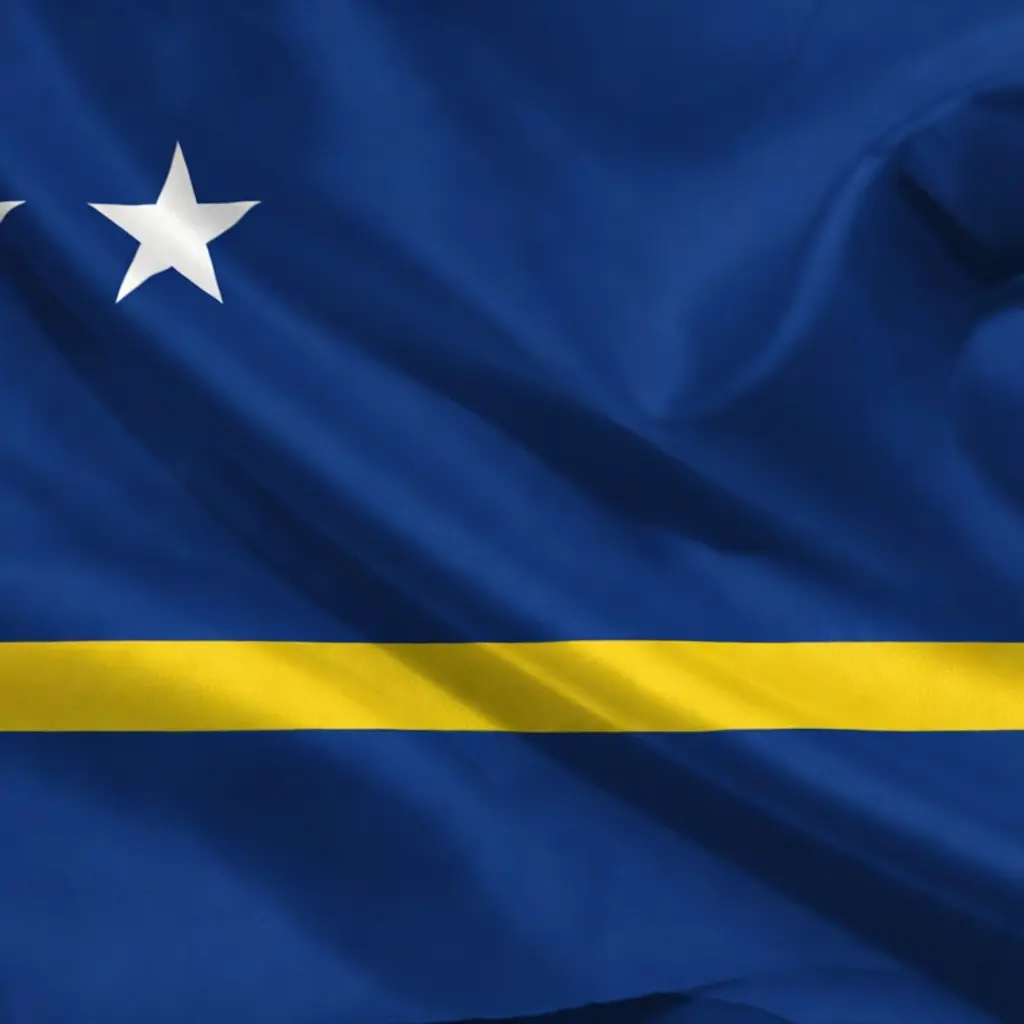
Is a Curaçao Casino Licence Actually Safe?
Thousands of online casinos are licensed in Curaçao — including most crypto casinos. This profile answers the question the badge never does: what that licence actually protects, what it can’t get back for you, and how to check any claim against the live register in seconds. Every number below is computed from our own mirror of the official register, refreshed 2026-09-14.
Entry tier · verifiable · Data: official register + TopCasinoScout register mirror
Quick answer
A Curaçao licence is real and verifiable, but limited. Since the LOK reform, every operator holds a direct licence from the Curaçao Gaming Authority that you can check on the official register — and the CGA does now revoke licences. But there is no deposit protection, no independent ombudsman, and no compensation scheme. Treat the licence as a minimum bar that makes the operator identifiable, verify it covers your exact domain, then judge the casino on its own payout record.
What a Curaçao licence is — and why context matters
For two decades “Curaçao licensed” meant a sub-licence rented from one of four private master-licence holders — a system with almost no public register and almost no enforcement, which is where the licence’s poor reputation was earned. That system is gone. Under the National Ordinance for Games of Chance (LOK), licensing moved to the Curaçao Gaming Authority (CGA): operators now hold direct licences with their own licence numbers (the OGL/… format on certificates), a public verification portal exists, and each certificate lists the exact domains it covers.
That reform is real progress — it is why licences can now be verified and revoked at all. What the reform did not do is turn Curaçao into a player-protection regime like the UK’s. The licence still primarily certifies the business, not your balance.
What it protects — and what it doesn’t
What you actually get:
- an identifiable, registered operating company
- a licence that can be checked on an official portal and revoked by the regulator
- a formal complaint route to the CGA
- domain-level verification — the certificate names the sites it covers, which is what makes fake-badge fraud detectable
What you don’t get:
- no deposit-protection or segregation guarantee comparable to top-tier regimes
- no independent ombudsman or binding alternative-dispute service
- no compensation fund if an operator folds or refuses to pay
- historically light ongoing supervision — the CGA can act, but it is not auditing payout speed or bonus-term fairness
The enforcement reality, from the register itself
In the current quarter, 0 licences tracked by our register mirror went non-active. By the standards people assume for Curaçao — “nobody ever loses a licence” — that is a meaningful enforcement rate, and it is the single strongest sign the post-reform CGA is not the old rubber stamp. The quarter-by-quarter picture across every register we mirror lives in our Licence Enforcement Report.
Register movement. Since our 2026-07-27 snapshot: 33 licences joined · 4 changed status. Net growth. New Curaçao licensees start with no track record — a fresh licence tells you a company registered, not how it pays. Treat new entrants as unproven until reviewed.
Known failure patterns to check for
Cloned certificates. Scam sites copy the CGA seal and even fake the verification page. Only cert.cga.cw and cert.gcb.cw are genuine — here is exactly how the cloned-seal scam works.
Domain mismatch. A real certificate for brand.com does not cover brand.io or a “mirror” site. The certificate must list the exact domain you are on — our checker flags this automatically.
Network risk. One Curaçao company often runs dozens of brands. Before trusting a new name, see what else its operator runs in our operator network explorer.
How to verify a Curaçao licence in 30 seconds
- Run the casino’s domain through our free licence checker — it searches our live mirror of the official register.
- Confirm the licence covers the exact domain you are playing on, with an active status and the operating company’s name.
- Cross-check the operating company in the operator explorer — a clean licence on a company with blacklisted siblings is a warning, not a pass.
- Then check whether we have an audited review — the licence is step one of our scoring, never the whole answer.
Verdict
A Curaçao licence is a floor, not a ceiling. Post-reform it is genuinely verifiable and the CGA does enforce — but it offers none of the player-compensation machinery of top-tier regimes, so the licence alone should never be your reason to deposit. Verify the exact domain, check the operator’s network, and weight the casino’s own payout record above the badge.
Curaçao licence FAQ
Is a Curaçao casino licence safe?
A Curaçao licence is a real, verifiable licence — since the LOK reform every operator holds a direct CGA licence you can check on the official register — but it is a minimum bar, not a guarantee. It does not include deposit protection, an independent ombudsman, or a binding dispute service. Treat it as “this casino is identifiable and answerable to a regulator”, then judge the operator on its own record.
Can the Curaçao Gaming Authority get my money back?
Usually no. The CGA accepts player complaints and can pressure, sanction or revoke a licensee, but it does not run a compensation scheme and cannot order a payout the way a court can. If a Curaçao casino refuses to pay, your leverage is the complaint record, chargeback routes, and public documentation — not a refund fund.
How do I verify a Curaçao casino licence?
Only trust the official certificate portals (cert.cga.cw and cert.gcb.cw) or a mirror of the official register. The certificate must list the exact domain you are playing on — a licence for one domain does not cover look-alikes. Our free licence checker searches the live register and every verified CGA certificate, and flags cloned-seal fraud.
Why do so many casinos use a Curaçao licence?
Cost and speed. A direct CGA licence is far cheaper and faster to obtain than a UKGC or MGA licence and carries lighter ongoing obligations, which is why thousands of crypto and international casinos start there. That is not automatically a red flag — but it means the licence itself does less of the safety work, so the operator’s own record matters more.